How Manas AI uses Causaly to validate targets and reduce early-stage risk
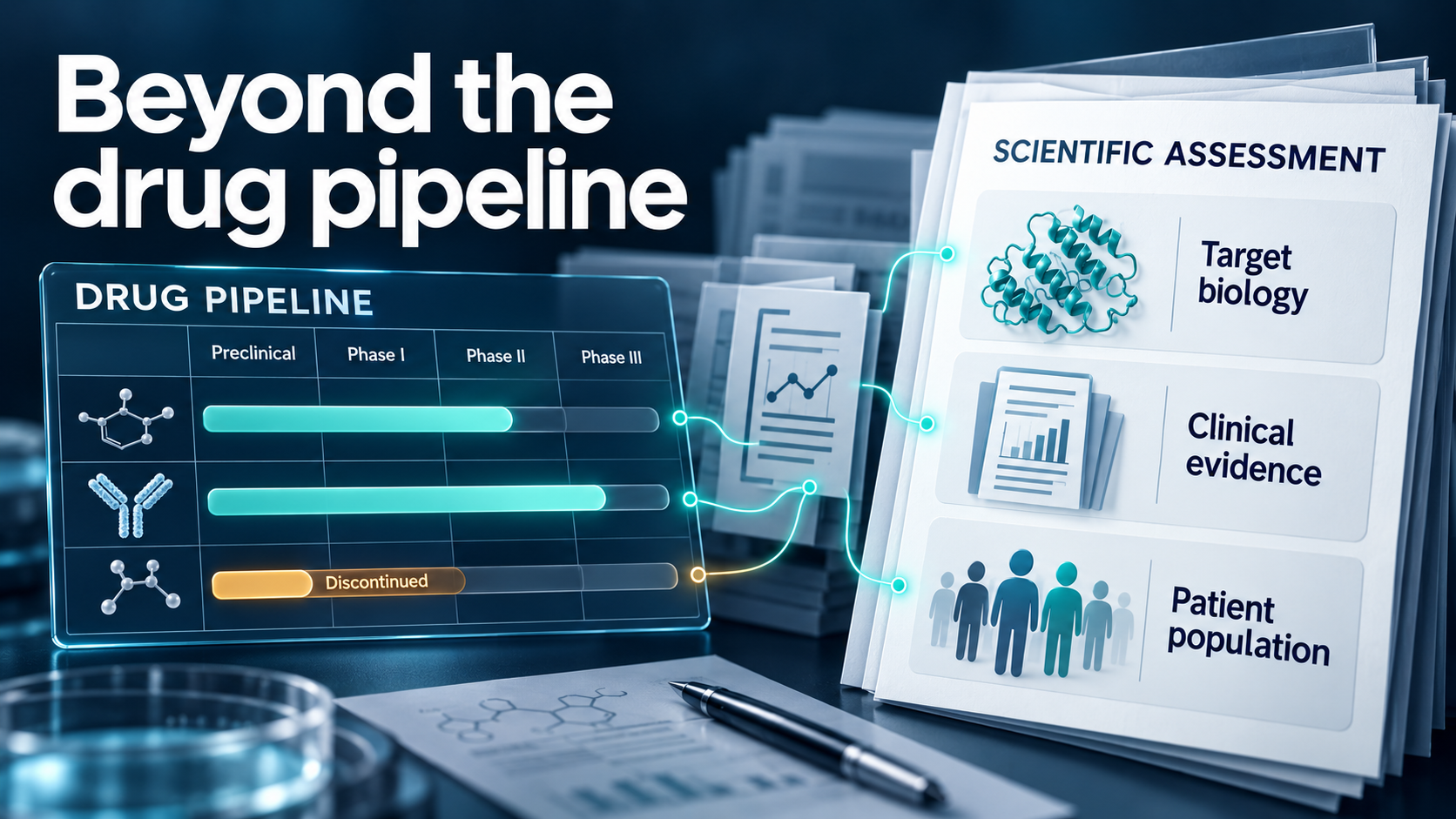
In this conversation, Dr. Siddhartha Mukherjee (Manas AI) and Yiannis Kiachopoulos (Causaly) examine how AI is being applied across this entire pipeline, not as a single model, but as a system of interconnected decisions.
.jpg)
Background
Drug development fails most often at the beginning. Selecting the wrong target affects every subsequent step, pocket identification, molecule design, synthesis, clinical trial, is built on a flawed foundation. The consequences extend beyond cost. Research programmes stall, and potential medicines never reach the people who need them.
Manas AI was founded to address this directly. Co-founded by Dr. Siddhartha Mukherjee, physician, researcher, and Pulitzer Prize-winning author of The Emperor of All Maladies, the company is building an AI-native, end-to-end drug discovery platform. Its goal is to scale the process of finding and developing candidate medicines, across disease areas and molecule types, without sacrificing scientific rigour.
To do that, Manas AI needed a way to evaluate targets quickly, comprehensively, and with confidence.
The challenge
Target validation is one of the most evidence-intensive tasks in drug discovery. To assess whether a target is worth pursuing, a research team must integrate findings from multiple sources: human genetics studies, preclinical animal models, early-phase clinical trials, competitor pipelines, and safety signals.
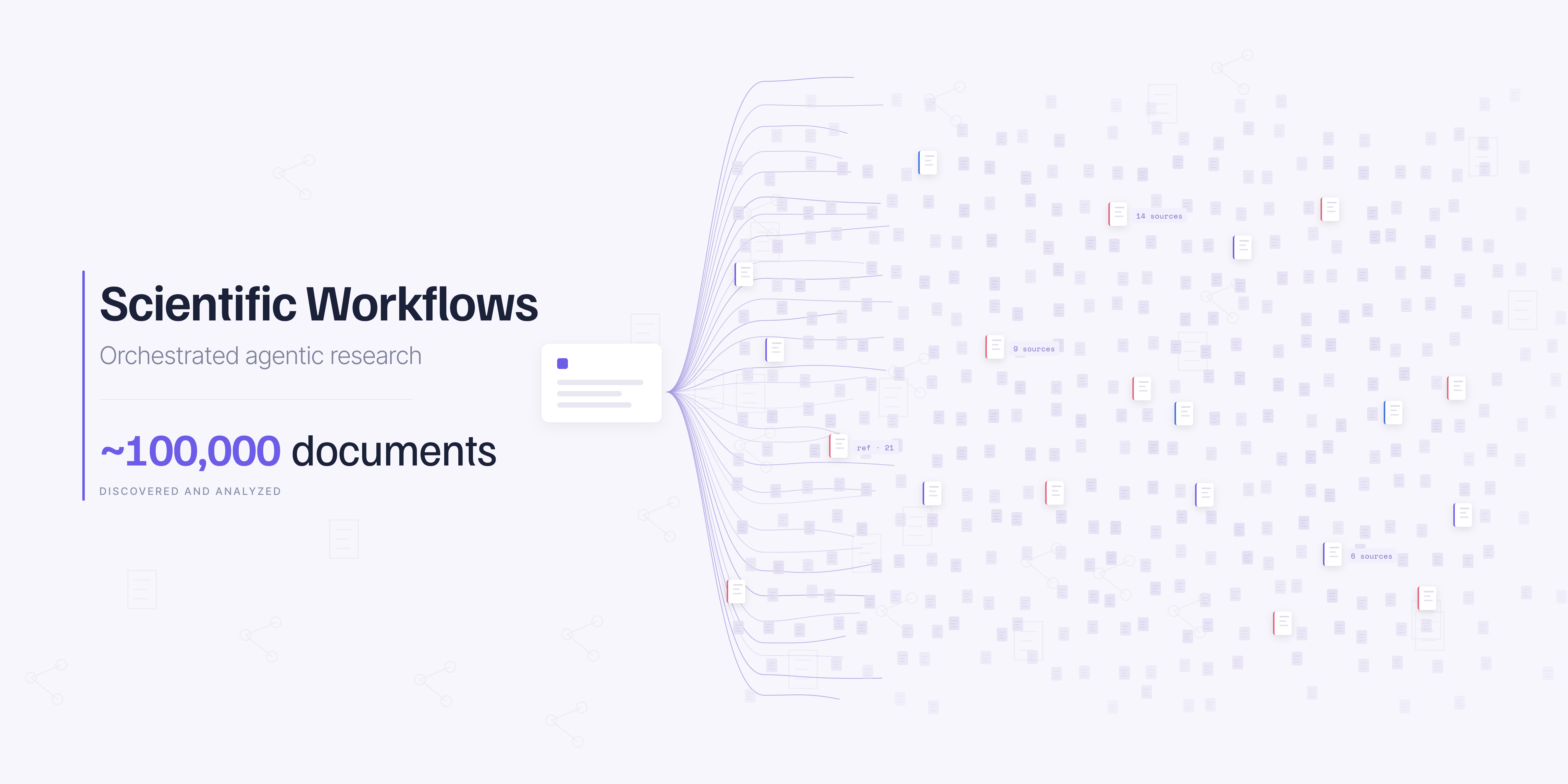
Traditionally, this required individual researchers to manually search and synthesise thousands of papers, each covering a different aspect of the evidence base. The process was slow, incomplete by nature, and dependent on the bandwidth of individual scientists.
As Dr. Mukherjee describes it: "It was a little bit like the famous story of the blind man feeling the elephant. Someone would learn to look at its tail, someone at its head, someone at its trunk. In each case, we would get a particular kind of signal."
For a company building an AI-native pipeline at scale, this bottleneck was unsustainable.
How Causaly is used at Manas AI
Manas AI uses Causaly as its primary platform for target identification and validation. When a candidate target is identified, whether starting from a disease pathway or from a protein family with known druggability, the team uses Causaly to run a comprehensive evidence assessment before committing resources.
In a single review, Causaly surfaces:
- Human genetics data linking the target to disease
- Preclinical findings from animal models
- Phase one and two clinical trial results, including efficacy and safety signals
- Competitor activity on the same target
- Adverse effect profiles, including severity grading
This replaces what previously required a large team of researchers working across thousands of papers over an extended period. The output is a structured, evidence-graded assessment that the Manas AI team can interrogate by evidence type, strength, and clinical stage.
Causaly also plays a role beyond the initial target decision. Manas AI uses the platform as a sanity check at subsequent stages of the pipeline, cross-referencing proposed pocket structures against published data, and feeding clinical signals back into early-stage target decisions.
The outcome
Target validation at Manas AI is now faster, more comprehensive, and more defensible. The team can assess the strength of evidence behind a target across all major data types without manual literature review, and can move forward with greater confidence in the biological rationale behind each programme.
As Dr. Mukherjee puts it: "Companies live and die based on the identification and veracity of their targets. If you make a mistake at the very first step, every step that follows will be a snowball effect from that initial wrong decision."
Causaly reduces the risk of that first mistake. It does not replace scientific judgement; it gives scientists the evidence base to exercise that judgement well, and quickly.
For Manas AI, this directly supports its broader mission: building a drug discovery platform that scales across disease areas and molecule types, without the single-programme, single-failure risk that defines traditional drug development.
"Thank you for augmenting our intelligence, with Causaly."Dr. Siddhartha Mukherjee, Co-founder, Manas AI
Further reading
.png)
.png)
.png)


Get started with Causaly
Ready to transform the way your R&D teams discover and deliver? Take the first step - see Causaly for yourself.
Request a demo