Introducing Scientific Workflows: Turn Scientific Expertise into Scalable Execution
Causaly Scientific Workflows codifies expert research processes into governed, repeatable, end-to-end agentic automations that produce structured, evidence-backed outputs at key decision points in the R&D pipeline.

When a new drug program begins, the work rarely starts where it should. Rather, teams spend time retracing prior conclusions, locating the papers behind old slide decks, and rebuilding evidence bases the organization already possesses, scattered across inboxes, shared drives, and institutional memory, with the same work likely to be repeated when the next program starts.
R&D leadership is increasingly raising this as a governance concern rather than an operational inconvenience. Departments are building their own AI tools, sourcing their own data, and conducting research against different standards, resulting in outputs that cannot be consistently compared, audited, or reproduced across programs and therapeutic areas. General-purpose LLMs have improved individual productivity but at a cost - introducing outputs without provenance, reasoning errors that compound across workflow steps, and no execution standard that the organization can defend at a key pipeline decision.
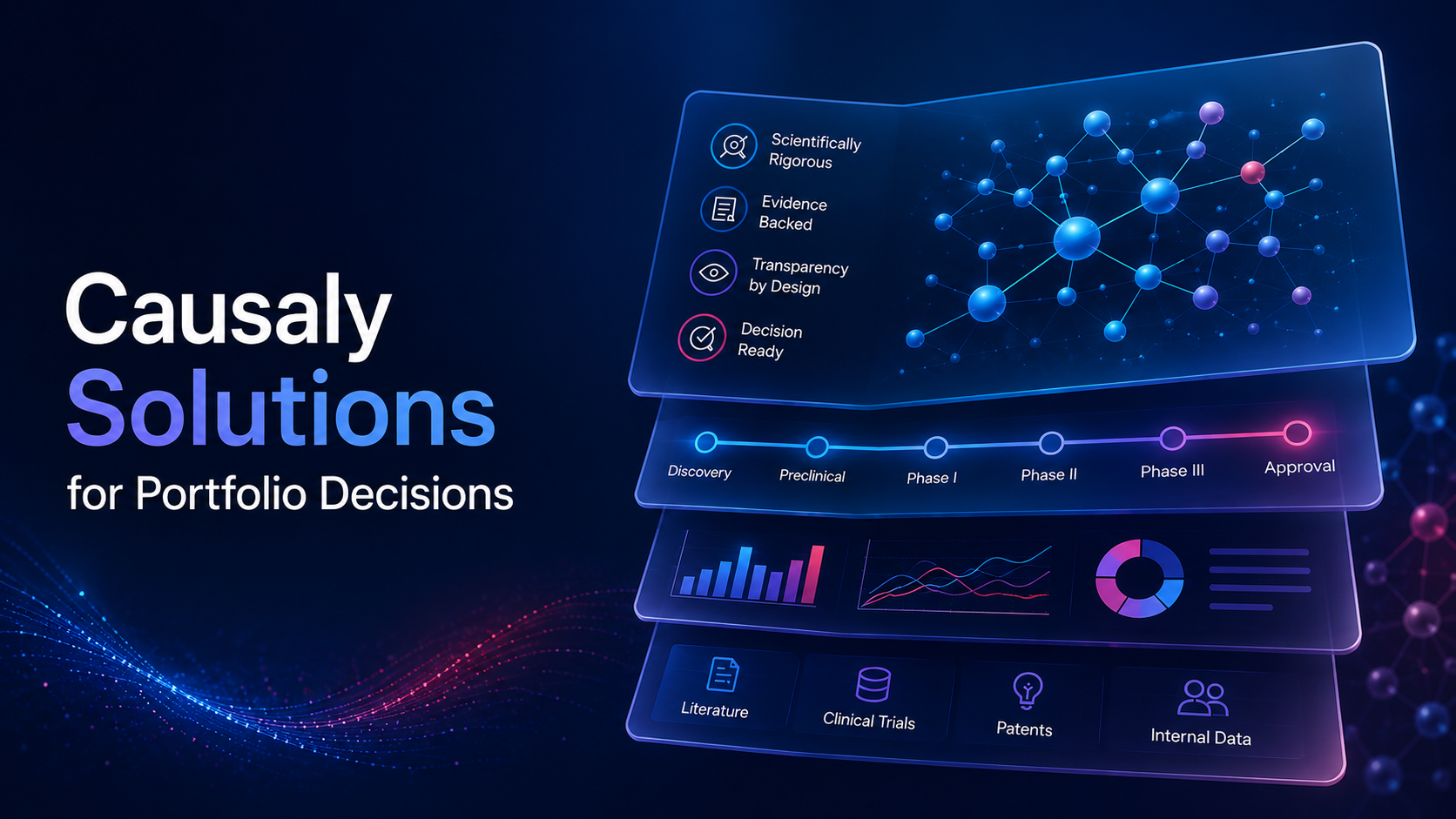
Today, I am proud to announce Scientific Workflows, a new product within the Causaly platform that converts scientific processes into end-to-end AI workflows executed autonomously by multi-agent orchestration. Scientific Workflows produces structured, evidence-backed, decision-ready outputs, including target assessments, indication exploration reports, claims substantiation packages, and safety dossiers, so that the research your best scientists know how to do can be run consistently across every team, program, and therapeutic area in the organization.

From Scientific Intelligence to Scientific Execution
The Causaly platform has always been grounded in a single principle: that decisions in life sciences R&D are only as good as the evidence and reasoning behind them. Agentic Research extended that principle to multi-step research tasks, enabling scientists to run complex analyses with traceable, source-ranked evidence at every layer. Scientific Workflows takes the next step by moving the platform from supporting individual research to executing the end-to-end scientific processes on which pipeline decisions depend.
R&D runs on process-led documentation, and building that documentation is slow, heavy work every time it is done. Siloed expertise, variable methods, and ungoverned input from generic LLMs introduce risk through inconsistency and indefensible output. Scientific Workflows automates, accelerates, and scales multi-step research with governed, auditable consistency, freeing scientists from the assembly work so they can focus on the judgment that only they can apply.
“Scientists carry expertise built over decades, including how to weigh contradictory signals, when the evidence is enough to support a conclusion, and what outputs must demonstrate before they are considered complete. Scientific Workflows captures that expertise within any organization and applies it consistently across their programs.”
— Yiannis Kiachopoulos, Co-founder and CEO, Causaly

What Scientific Workflows Does
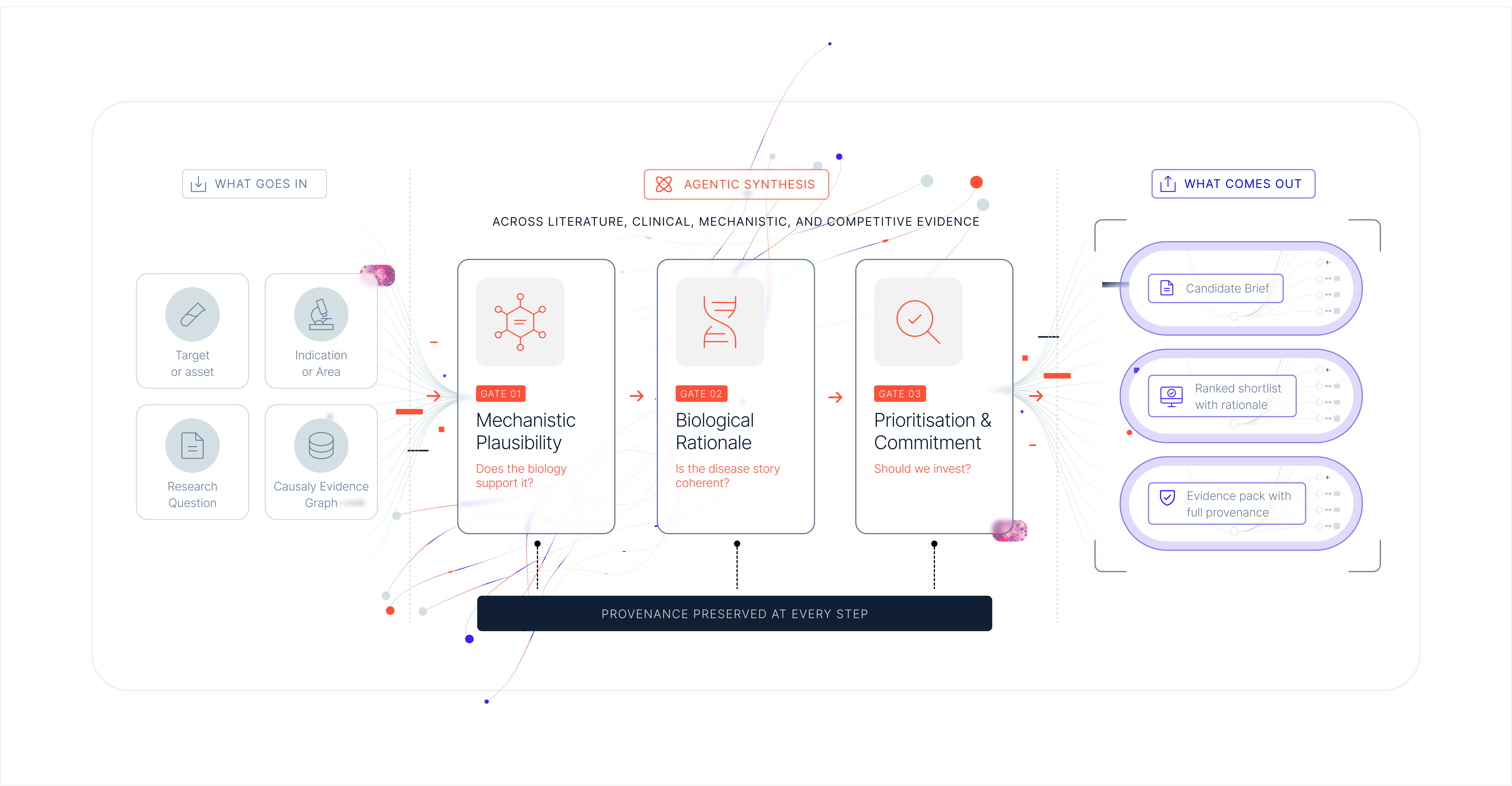
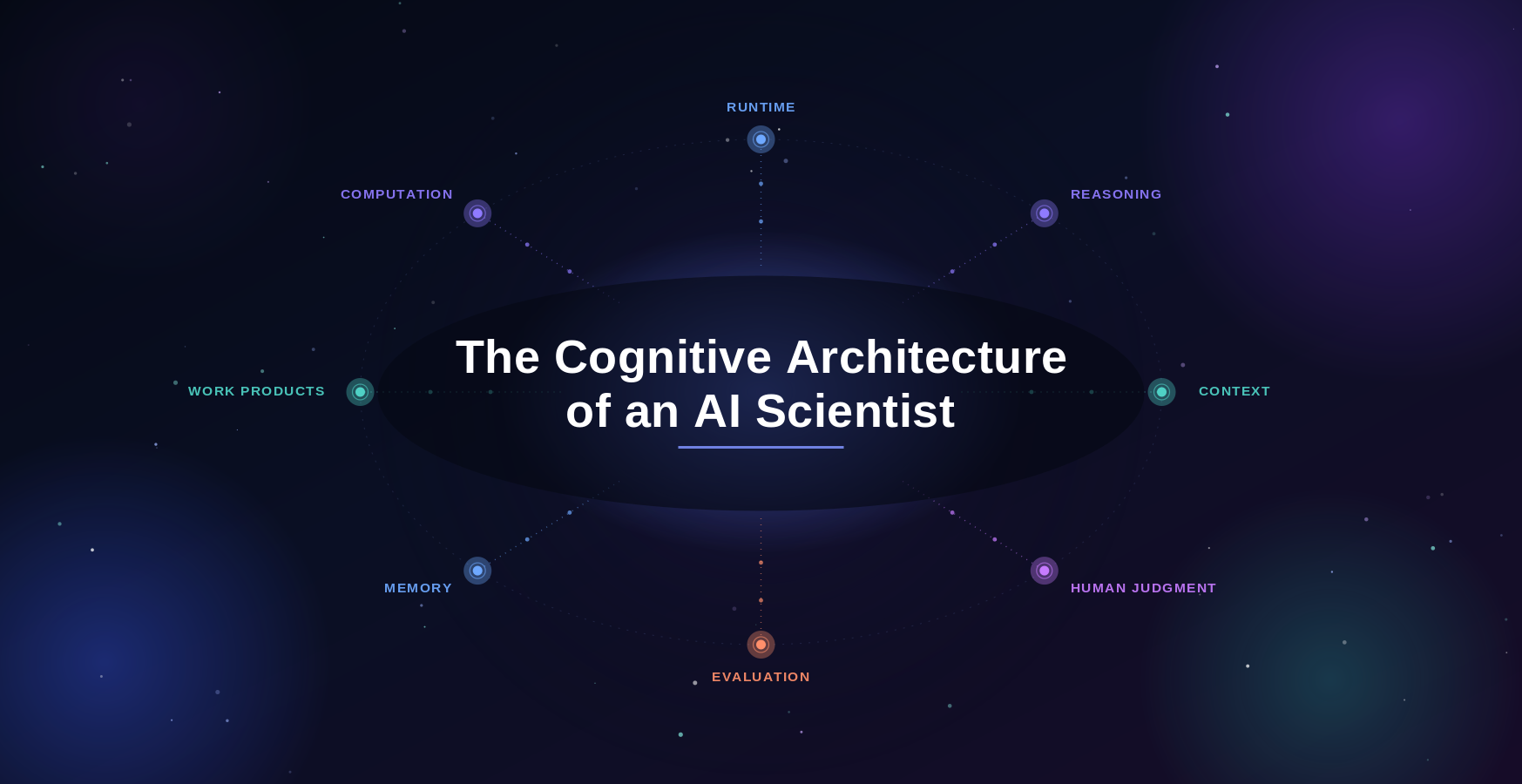
A Scientific Workflow is a codified scientific process that AI agents execute end-to-end within the Causaly platform, following a predefined execution contract that defines what evidence each step must gather, how that evidence is weighed, and what a decision-ready output looks like before a single step runs. Multi-agent orchestration provides the coordination layer that allows agents to work together, share context, and hand off cleanly across the full workflow, while built-in checkpoints keep scientists in control at the points where human judgment is required.
Every output carries full provenance: sources are ranked and filtered for quality, the reasoning behind each claim is visible, and the structure of the output is consistent across teams and programs, so that reviewers can focus on what the evidence shows rather than on how the team ran the analysis.
The platform supports all levels of complexity through ready-to-run workflows and tailored agentic solutions built with Causaly in close collaboration with subject matter experts, encoding an organization’s unique processes, tools, data, and decision logic into autonomous workflows that inform high-stakes determinations at key decision gates.
Built on a Foundation That Generic AI Cannot Replicate
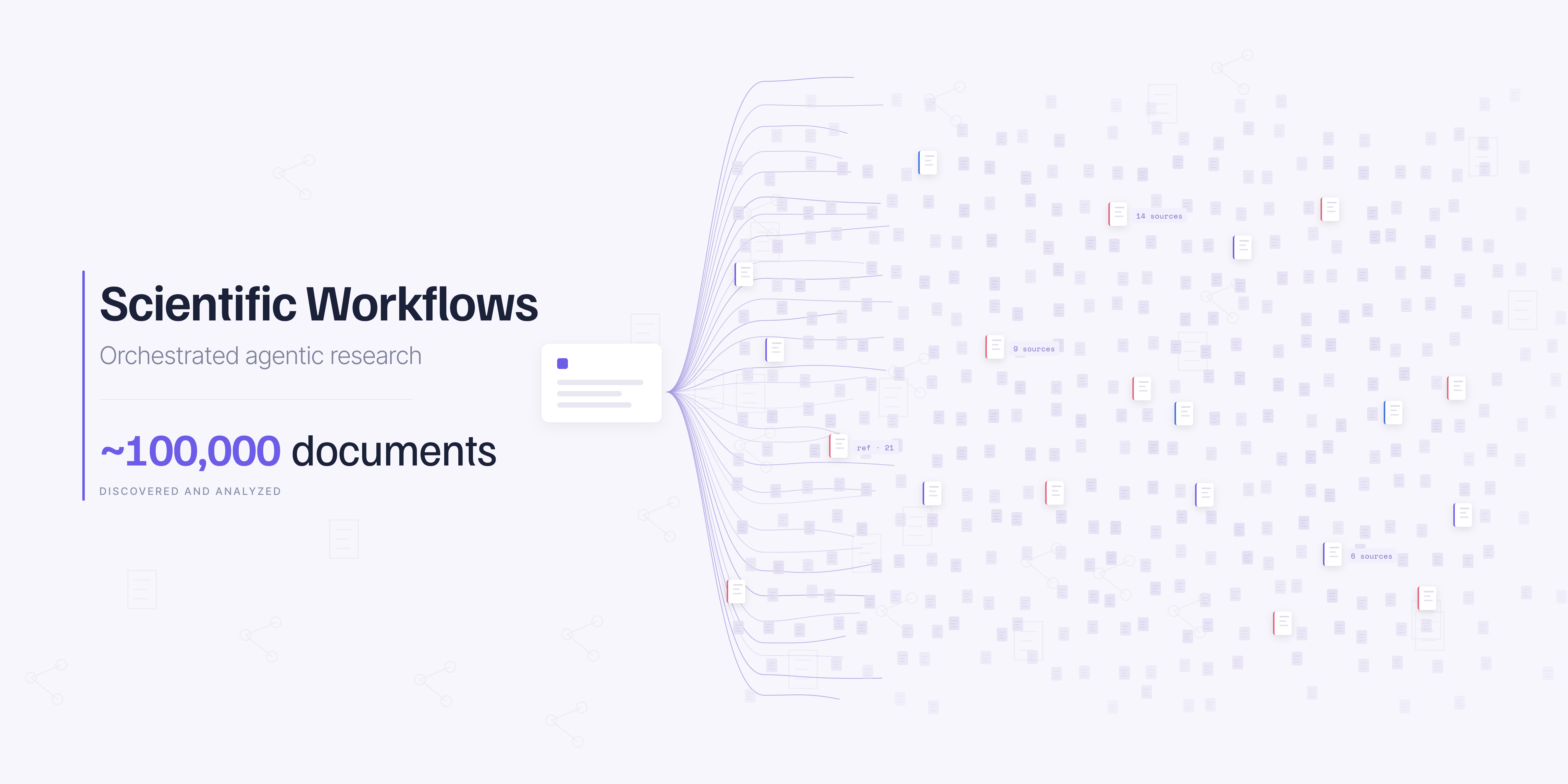
The rigor of Scientific Workflows depends on the depth of the platform beneath it. The Causaly knowledge graph spans 40M+ abstracts, 550K+ clinical trials, 1.6M+ patents, 550M+ biomedical facts, and 100K+ drug-target and indication relationships, all unified into a single evidence substrate that workflows retrieve from and reason across at every step, giving every output the traceability and defensibility that neither general-purpose LLMs nor laboratory data management platforms have been built to provide.
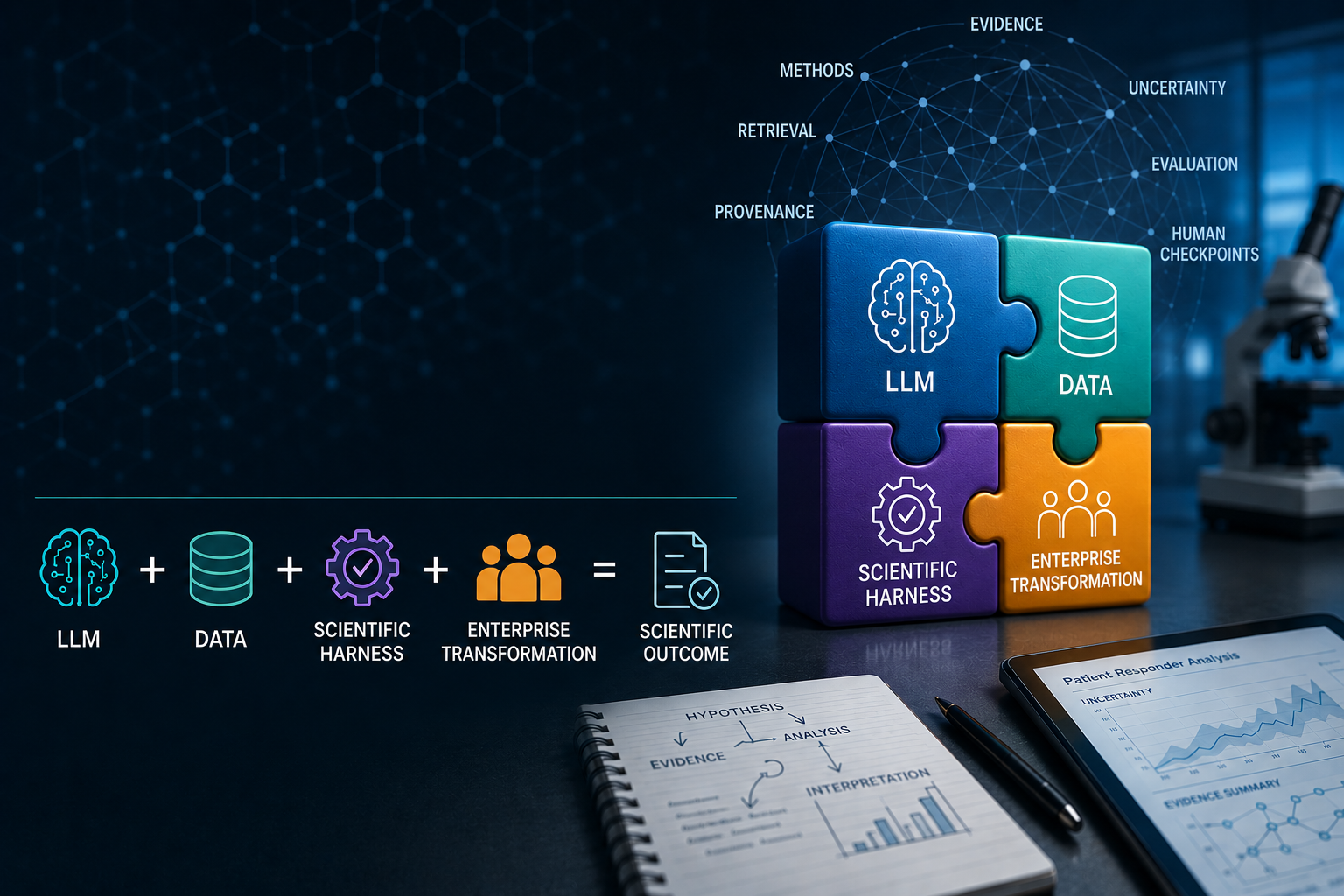
Generic LLMs optimized for individual productivity can produce plausible answers, but they carry no predefined execution contract, no consistent structured output, no governance or audit capability, and no grounding in the scientific methods required to drive R&D decisions. Scientific Workflows combines a purpose-built scientific knowledge graph, advanced evidence retrieval, multi-agent orchestration, and governance architecture into a single execution layer grounded in domain expertise, which is the combination that enterprise R&D decisions require.
Enterprise-Wide Impact
For research leaders and CSOs, Scientific Workflows provides a governed path to confident decision-making at key decision-gates, with best practice methods applied consistently across teams and therapeutic areas, and full provenance available to defend every output.
For scientists, it removes the repetitive synthesis and dossier assembly that consumes the time that should be spent on innovation and judgment, with human-in-the-loop checkpoints maintaining control throughout.
For subject matter experts and scientific leads, it gives their methodologies a durable form, encoded once and applied the same way every time, closing the gap between common practice and best practice.
For IT and governance teams, it delivers audit trails at every step, source-ranked and quality-filtered evidence, and access controls and validation built into the workflow architecture by design.
Scientific Workflows will be available from June 2026. If you would like to see what Scientific Workflows produces for your specific research context, request a demo to walk through, and register for our upcoming webinar to see the platform in depth.
Further reading
.png)
.png)
.png)


Get started with Causaly
Ready to transform the way your R&D teams discover and deliver? Take the first step - see Causaly for yourself.
Request a demo