Introducing Causaly Work, AI That Completes Scientific Assignments
Causaly Work, helps R&D teams complete more of the scientific work behind their decisions, combining computational analysis, evidence investigation and professional work products, with people involved throughout.
Before an R&D team can decide which options to pursue, they need to do the scientific work that creates those options. Avenues of scientific inquiry may remain unexamined because the team cannot follow every line of investigation. Completing more of that work can give the team a fuller basis for judgment and has the potential to improve the decision itself.
Today, we are introducing Causaly Work in public preview. It helps knowledge workers complete scientific assignments by combining computational analysis, evidence investigation, and the creation of professional work products. People define the objective, work with the agent as the assignment progresses and review the results. They retain responsibility for the decisions those results inform.
The film shows analysis, evidence-grounded work products and collaboration with a person throughout a long-running assignment.
The assignments that knowledge workers in life sciences enterprises undertake using Causaly Work may involve preparing a clinical-development proposal, analyzing real-world evidence or building the scientific basis for a target product profile in commercial strategy. Each requires understanding scientific information with the potential biases, finding rare evidence, and resolving terminology differences that come with it. They need the results delivered in a format they can examine and use.
In my earlier article on scientific workloads, I described the capabilities these assignments require. Computation produces a result, while scientific interpretation examines what it means. Creating a presentation, illustrated PDF, or interactive chart requires organizing the findings while preserving their supporting evidence and limitations. Causaly Work brings these capabilities together into a collaborative assignment.
From a clinical question to a study proposal
Consider a clinical study director at a pharma company developing a new clinical study. The director defines the disease area, intended patient population and study objectives. The team needs a scientific rationale and an assessment of potential endpoints and biomarker criteria, informed by prior trials. The work is to develop a proposal that allows the medical and clinical teams to compare these options and examine the evidence behind them.
The agent can examine relevant trial evidence, compare reported endpoints and patient populations, and analyze supplied study tables where the question calls for it. Scientific interpretation then examines whether the studies are comparable and what their results support in context. This clinical-development work brings together computation and scientific interpretation, a connection I explored in my earlier article, Building the AI Co-Scientist for the Hardest Part of Science
The study director works with the agent to clarify assumptions and review the interpretation of the evidence. Causaly Work can assemble the reviewed material into a proposal and a PowerPoint for discussion, with citations connected to the claims they support. Unresolved questions about the evidence and study design remain visible for the team to refine the options before deciding how to proceed.
The completed assignment brings the study brief, scientific assessment, and supporting files together. During review, the team can challenge the endpoint comparisons, examine the rationale for biomarker criteria, and request further work before deciding which options are justified.

The capabilities that make this work possible
Causaly Work brings computational analysis into the work people can complete in Causaly. It can run analytical code on supplied data, transform files, and calculate comparisons while making the methods and results available for review. The knowledge worker can then investigate those results against the thinking trail of the relevant scientific evidence and refine the analysis with the agent.
Causaly Work can also create professional work products, including PowerPoint presentations, PDFs, and interactive charts. A reviewed scientific assessment can become a clinical proposal, an evidence report, or the scientific sections of a target product profile. The requested design and structure matter because the team needs a usable output where the meaning, citations and qualifications remain intact.
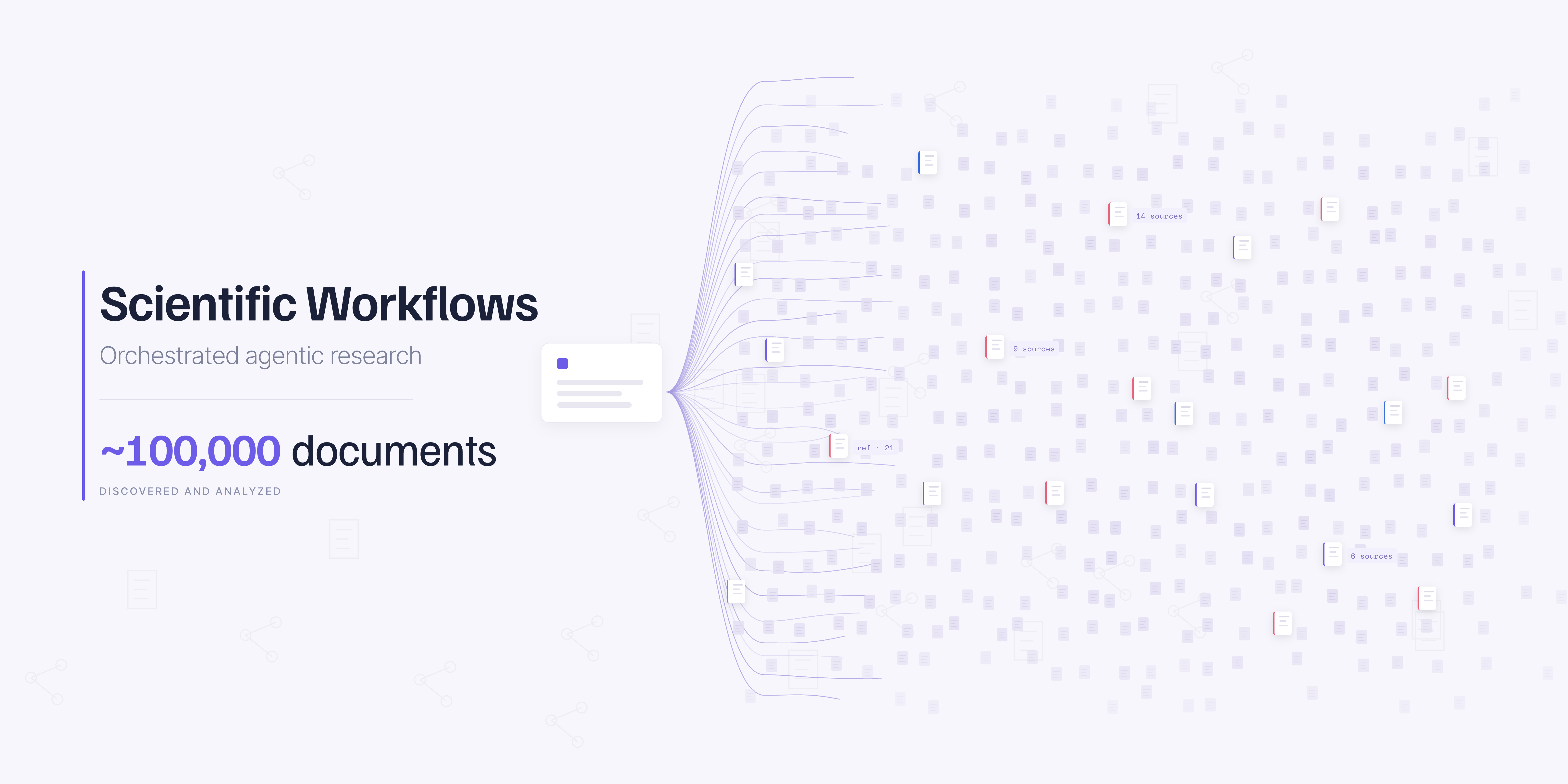
Long-running assignments can involve repeating a task 100, 200, or 500 times. In a competitive-landscape exercise, the agent might identify the drugs within a defined scope, examine their trials, and extract reported endpoints and patient-population information from each trial. It can then assemble the findings into a comparison workbook and presentation. The system needs to retain progress and account for every item, including unfinished work and missing evidence, so the person reviewing the assignment can see what has been completed and what remains unresolved.
Built on the Causaly scientific foundation
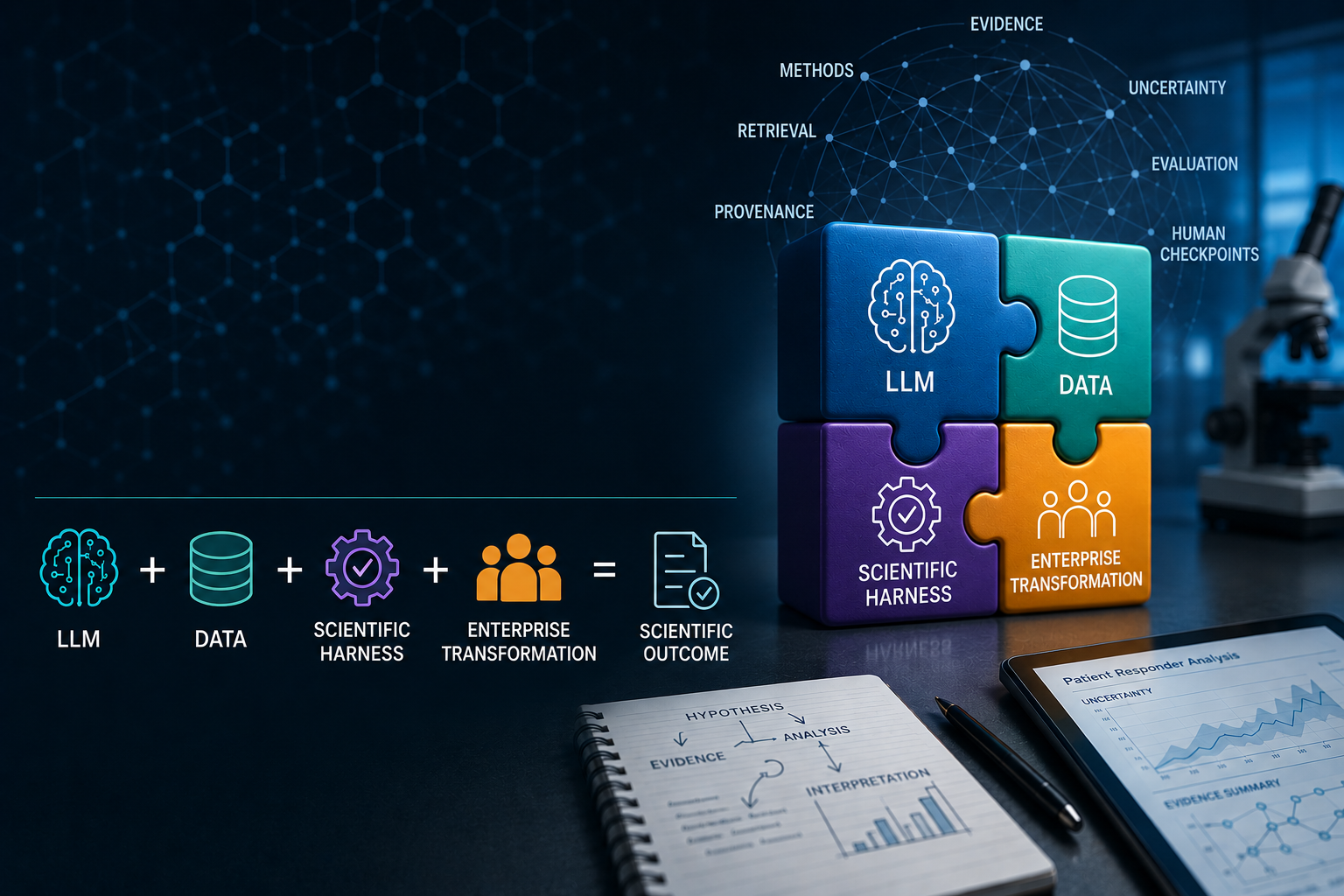
Causaly Work builds on Causaly's scientific foundation. Scientific retrieval finds relevant source evidence, while Bio Graph provides structured biomedical relationships and Pipeline Graph adds drug-development context. Enterprise Data Fabric brings connected scientific knowledge into the platform within the organization's access arrangements. Together, these capabilities give the work a scientific context and a basis for examining the evidence behind a conclusion. And this foundation matters when terminology varies across sources, relevant evidence is difficult to find or a conclusion needs to be understood in its biological and clinical context.
Agentic Research and Scientific Workflows draw on that same scientific foundation. Causaly Work brings computational analysis, evidence investigation, and work products creation together so teams can carry an assignment from supplied data and a scientific question through to a reviewable output.
The methods and checks still need to fit the assignment. As I discussed in The Cognitive Architecture of an AI Scientist, the scientific harness connects the capabilities, context, and evaluation needed to carry the work through. Scientists define the question, clarify assumptions, and examine the evidence as the work progresses, while the agent preserves the supporting material and makes uncertainties visible.

The standard is work grounded in scientific information that can withstand expert review. The relevant experts retain responsibility for judging the analysis and its implications, and a finished document still needs a supported position. As I stated in An AI Scientist Is Proven by the Science It Produces, capability has to be established through the work itself.
Public preview gives us the opportunity to test complete assignments with knowledge workers and improve the methods and outputs on which they rely. We should judge the system by whether it completes the requested work to the required standard and provides the supporting material required to challenge the result.
The ambition behind Causaly Work is to expand the scientific work teams can complete, giving them the capacity to investigate evidence that might otherwise remain unexplored and examine alternatives in greater depth. This can strengthen the basis for decisions, while the scientific judgment about which option to choose remains with the people responsible.
If you have an assignment that depends on scientific information, talk to us. We want to understand the work you need completed, how you will use the results, and the standard those results need to meet. To see Causaly Work in action, register for the launch webinar.
Further reading



Get started with Causaly
Ready to transform the way your R&D teams discover and deliver? Take the first step - see Causaly for yourself.
Request a demo